tonnes of textile waste are produced globally every year.
UN Environment Programme, 2025 ↗Circular textiles, practical outcomes
Waste fabric, back in the loop.
ThreadBack helps shops move excess textiles toward a useful next life—through thoughtful collection, sorting, reuse, and recycling pathways.
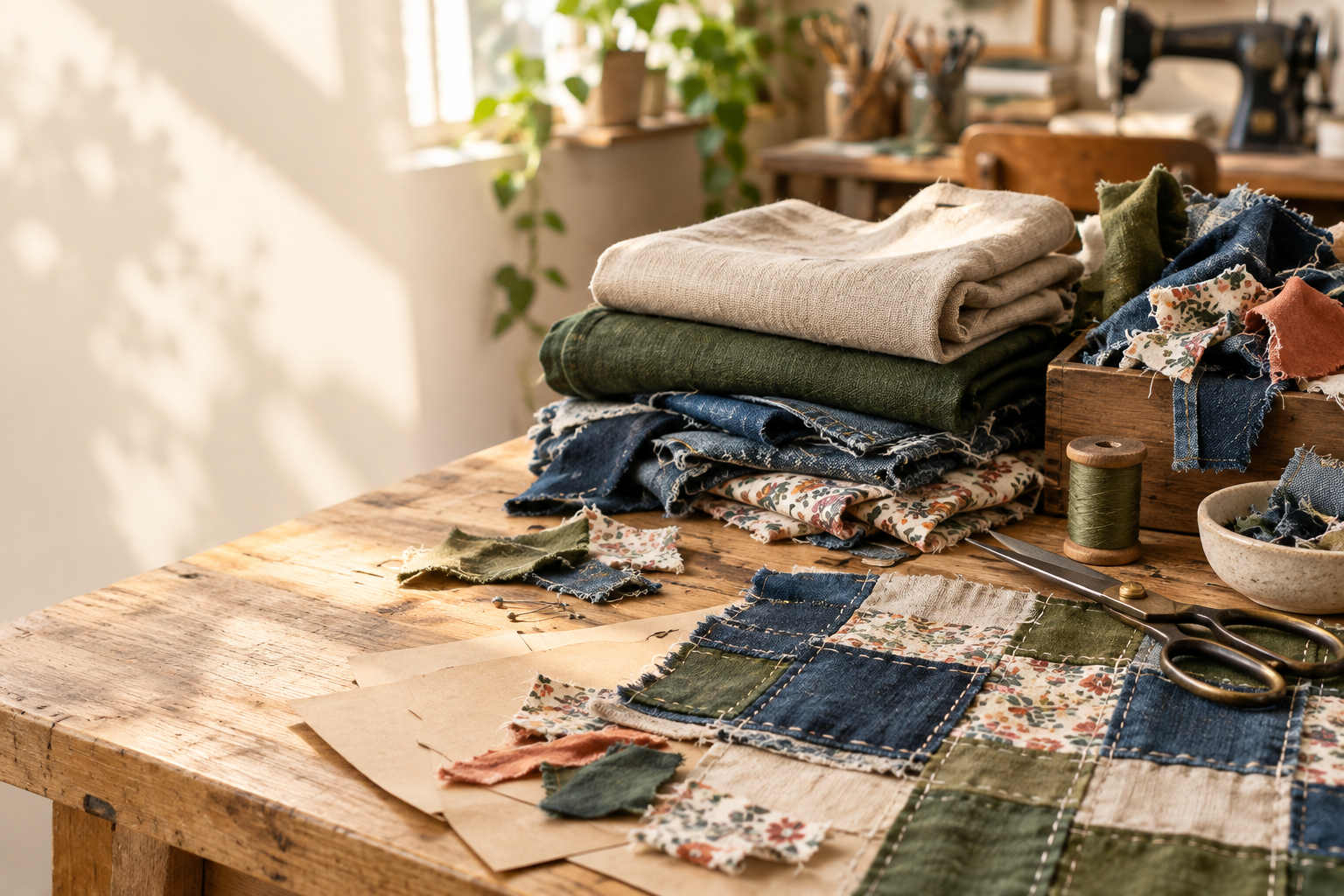
One material. Another chapter.Collected with care, directed toward its best next use.
The idea
A second use begins before the bin.
Useful textiles are often discarded because the next step is unclear. ThreadBack creates a more deliberate route from shop-floor excess to future material.
The cost of the throwaway system
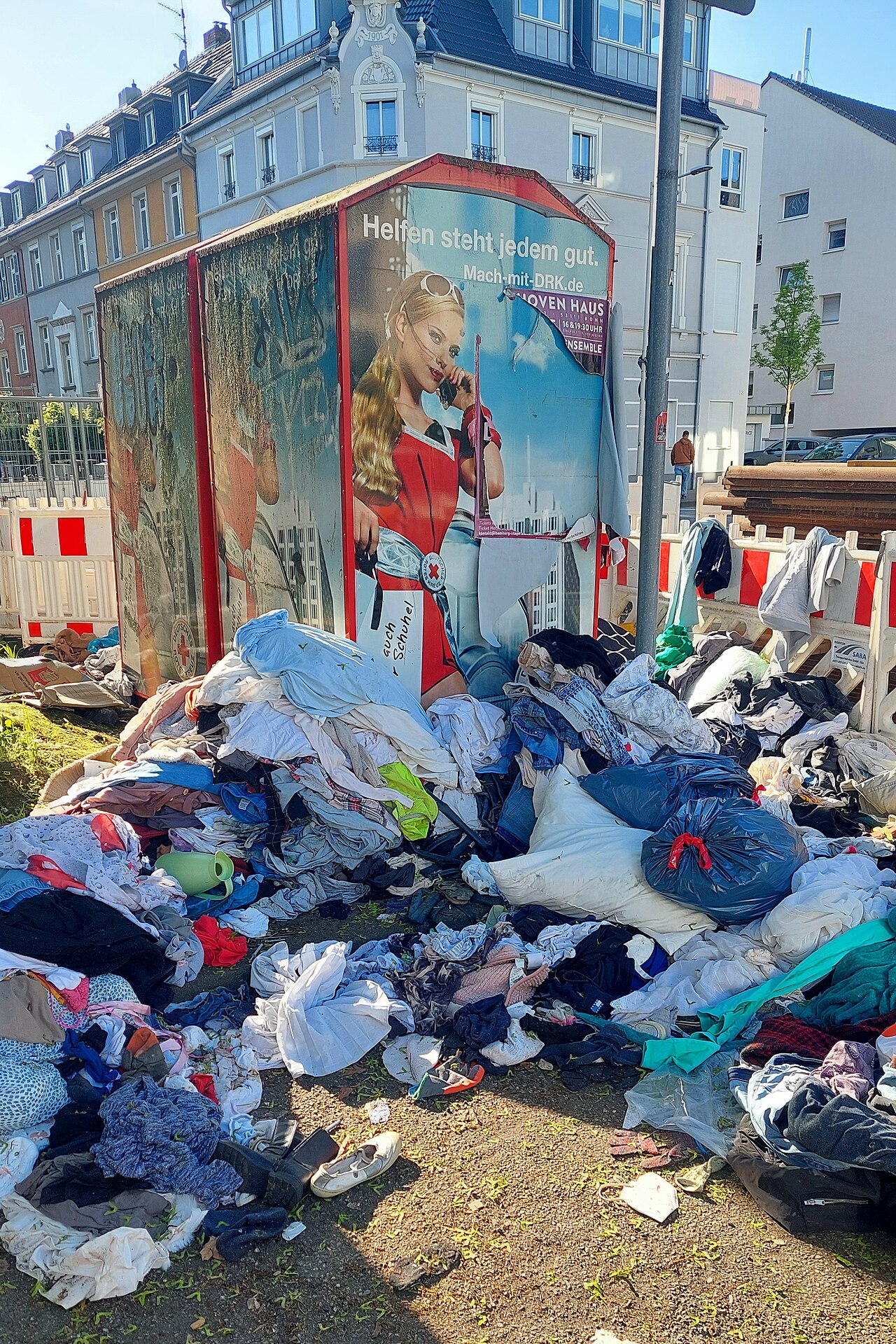
Good material is being treated like it has no value.
Textile waste is not a small leftover problem. It is a global loss of material, labor, energy, and money—and a clear opportunity to recover more value before fabric reaches a bin.
is the estimated economic opportunity missed by the way clothing is designed, sold, used, and barely recycled.
Ellen MacArthur Foundation, 2017 ↗U.S. tons of textiles went to landfill in 2018; only 14.7% of the 17 million tons generated was recycled.
U.S. EPA, 2018 data ↗tonnes of textile waste are generated in India annually; 59% is reused or recycled, but only a small share returns to the global supply chain.
Fashion for Good, 2022 ↗Figures describe different geographies and reporting years and should not be added together. “M” means million.
The ThreadBack loop
A simple four-part approach designed to make textile recovery easier for shops and more useful for the people working with what comes next.
Collect
Shops keep clean excess fabric, offcuts, and eligible scraps separate from general waste.
Sort
Material is considered by type, size, condition, and the kind of next use it can support.
Redirect
Each batch moves toward reuse, creative remaking, or an appropriate recycling route.
Return
Recovered material comes back into circulation as usable cloth, components, or new products.
Small leftovers. Useful possibilities.
ThreadBack looks beyond a material’s first purpose to find the most practical next one.
Denim offcuts
Can become patchwork panels, reinforced details, or other durable components.
Deadstock fabric
Can return as practical sewn goods, limited-run pieces, or usable fabric for makers.
Smaller scraps
Can be sorted for accessories, textile filling, craft use, or suitable recycling streams.
How waste becomes useful
Keep the highest value for as long as possible.
The best route depends on size, cleanliness, fiber content, color, and local demand. ThreadBack starts with the highest-value practical option, then moves down the recovery hierarchy only when needed.
Reuse the material as material
End-of-roll fabric, samples, and larger clean pieces can return to use through makers, training programs, repair work, or limited production runs.
Remake it into products
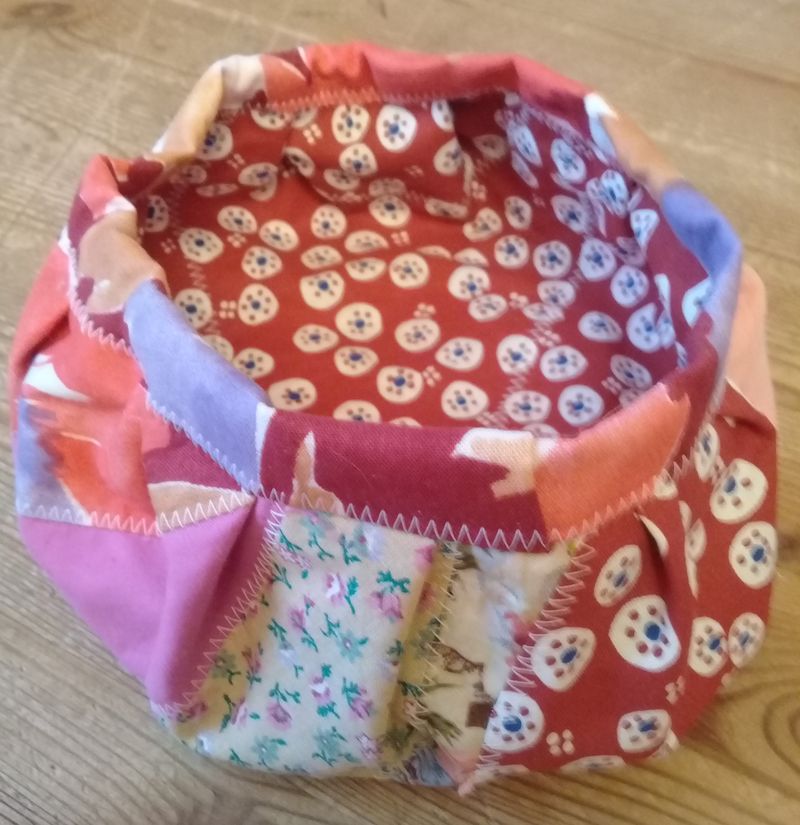
Offcuts can become bags, patchwork panels, accessories, reinforcement pieces, protective wraps, and other small-format goods.
Recover the fiber
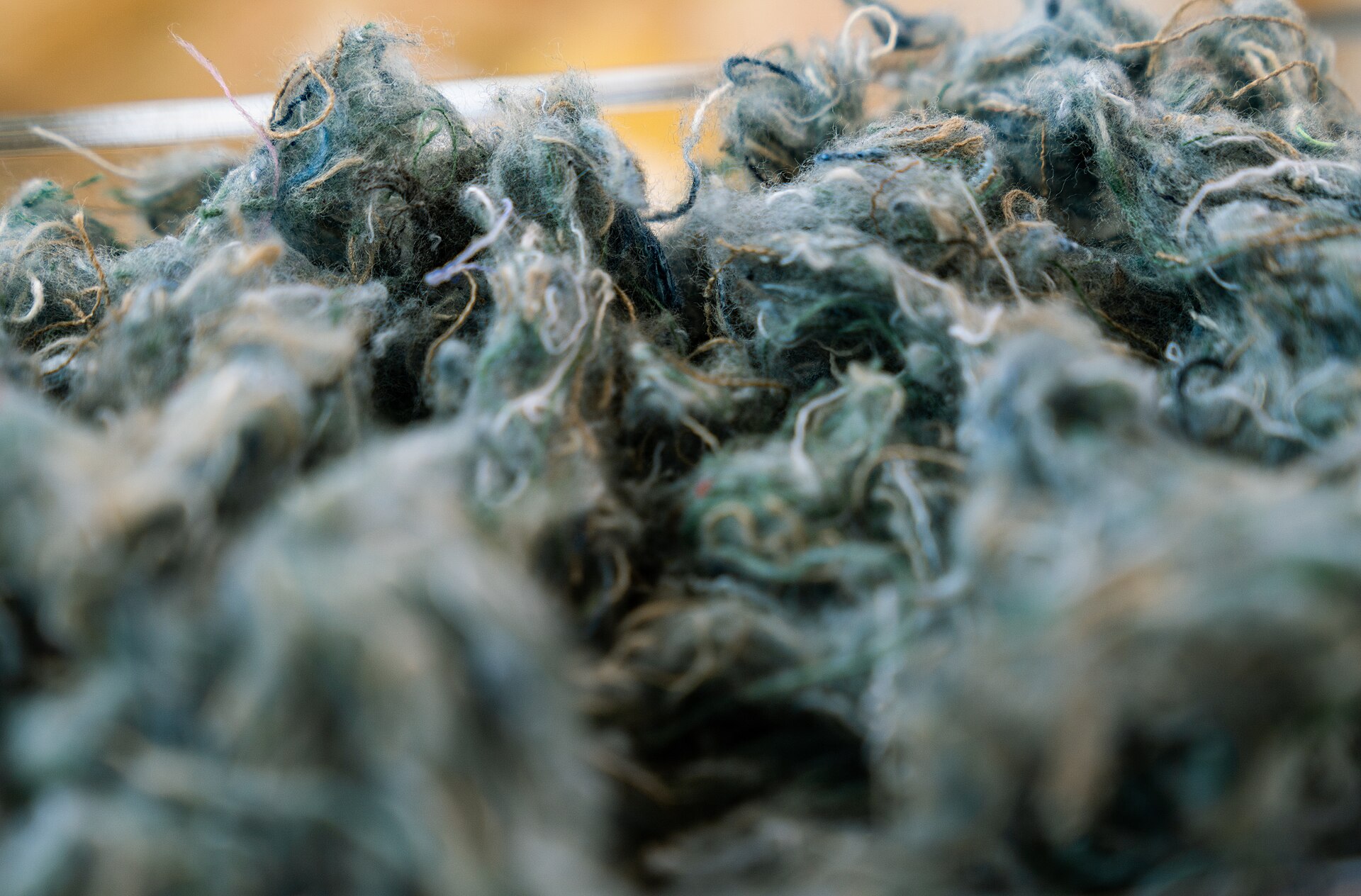
Smaller clean scraps can be mechanically processed for recycled yarn, nonwovens, stuffing, insulation, and absorbent products when direct reuse is no longer practical.
A practical pilot roadmap
From first audit to a repeatable recovery loop.
A 90-day pilot gives a shop enough evidence to understand its waste, test real recovery routes, and decide what should scale.
Measure
Record the material types, sources, condition, and approximate weight of offcuts and deadstock already being generated.
Separate
Set up simple labeled collection points so clean textiles remain traceable and do not mix with general waste.
Route
Test a sample batch with reuse, remaking, and recycling partners and document where each material can realistically go.
Improve
Review diversion, cost, and value recovered; keep the routes that work and refine sorting for the next batch.
Start with what you already have.
Set aside a clean sample batch and note what it is, where it came from, and roughly how much you have. That creates a clear starting point for the right recovery route.
Good first-batch candidates
Fabric offcuts, end-of-roll textiles, samples, trims, and clean sewing scraps.
Enquiries are welcome worldwide
Tell us where you are and what material you have. We will review the details and reply with the most realistic next step for your location.
Material acceptance depends on fiber content, condition, quantity, and the recovery options available for that batch.
Contact ThreadBack
Ask a question or tell us about your textiles.
Shops, makers, schools, recyclers, and potential partners can use this form for collection questions, collaboration ideas, material checks, or general information.
Every enquiry is addressed privately to the ThreadBack team.